

How Often Should You Visit the Dentist?
If you’ve ever wondered how often you should actually be sitting in that dental chair, you’re not alone. It’s one of the most common questions we hear at Lone Mountain Dental—and the answer isn’t always as simple as you might think. How often you should visit the dentist depends on several factors, such as your oral health, lifestyle, and personal risk factors. Let’s break down exactly what the research says and help you figure out the right frequency for your teeth and gums.
Introduction to Dental Health
Maintaining good oral health is about much more than just having a bright smile—it’s a key part of your overall health and wellbeing. Regular dental visits are essential for preventing dental problems like gum disease and tooth decay, and for catching oral health issues before they become serious. The American Dental Association (ADA) recommends seeing your dentist regularly for dental checkups and cleanings, as these visits help protect you from oral diseases, including oral cancer, and support good oral hygiene habits.
By making dental health a priority, you can reduce your risk of developing oral health problems and maintain a healthy mouth for life. Regular dental visits not only help keep your teeth and gums in top shape, but they also allow your dentist to spot early signs of trouble—often before you notice any symptoms. Good oral hygiene, combined with professional care, is the best way to prevent dental problems and support your overall health. Understanding the importance of regular dental visits is the first step toward a lifetime of healthy smiles.
Quick Answer: How Often Should You Visit the Dentist?
For most adults in Las Vegas and beyond, dental check ups and routine cleaning every six months is the standard recommendation backed by the American Dental Association. Visiting the dentist twice a year is a widely accepted guideline that helps your dentist catch problems early, remove tartar buildup, and keep your gums healthy.
However, the absolute minimum for low-risk patients—those with excellent oral hygiene habits, no history of cavities, and healthy gums—is typically once a year. On the other end of the spectrum, people in higher-risk groups may need to go to the dentist every three to four months. This includes smokers, diabetics, those with gum disease, and heavy soda or energy drink consumers.
Here’s a quick breakdown of our accepted dental insurance providers:
Risk Level: Learn more about preventative dentistry and how regular oral care can reduce your risk. | Recommended Frequency |
|---|---|
Low risk (excellent oral health) | Every 6–12 months |
Average risk (most adults) | Every 6 months |
High risk (gum disease, diabetes, smokers) | Every 3–4 months |
Most people should visit the dentist at least once a year, according to CDC recommendations.
Only a dentist who knows your mouth can set a truly personalized schedule. If you’re in Las Vegas and unsure where you stand, we invite you to schedule a checkup at Lone Mountain Dental for a comprehensive evaluation.
Why Regular Dentist Visits Matter for Your Health
Dental visits do far more than give you a polished smile—they protect both your oral health and your overall health. What happens in your mouth doesn’t stay in your mouth. Research consistently links poor dental health to conditions like heart disease, diabetes complications, and even certain cancers.
Early detection saves teeth (and money)
Regular dental checkups allow your dentist to spot common problems before they escalate:
Cavities while they’re still small and treatable with simple fillings
Gum disease in its earliest, reversible stage (gingivitis)
Cracked or worn teeth before they break completely
Failing fillings or crowns before they cause infections
Screenings you didn’t know you were getting
Every routine visit includes an oral cancer screening. Your dentist examines your tongue, cheeks, palate, and neck cancers screening areas for lumps, sores, or unusual color changes. Many serious oral diseases—including periodontal disease, root infections, and early oral cancer—are painless in the beginning. Without a professional exam, you’d never know something was wrong until it became a much bigger problem.
Evidence suggests that preventive care costs a fraction of what you’d pay for emergency treatment. Two cleanings a year runs far less than a root canal, extraction, or dental implant. When dental problems are caught early, treatment is simpler, faster, and easier on your wallet.
How Often Should You Go to the Dentist for Checkups and Cleanings?
A “recall visit” or check up typically includes three components: a thorough exam, professional cleanings, and sometimes dental x-rays. At Lone Mountain Dental, we recommend routine dental visits every six months for the average adult with no active dental disease. Maintaining a regular schedule for dental checkups and cleanings is essential for preventing oral health problems and supporting overall dental health. For those looking for customized care plans for you, Lone Mountain Dental offers personalized dental care tailored to your needs.
Public health organizations reinforce this guidance. The CDC stresses that routine visits are associated with fewer treatments for oral and craniofacial diseases, while the ADA has long supported the biannual model for most patients.
Why six months?
Here’s the science behind that number:
Plaque begins forming on your teeth within hours after eating
Within 24–72 hours, that soft plaque can harden into tartar (also called calculus)
Once tartar forms along your gum line, no amount of brushing or flossing at home can remove it
Only professional dental tools can safely scrape away tartar from teeth and below the gumline
These regularly scheduled visits are also when your dentist checks existing dental work—crowns, fillings, bridges, and implants—to catch small issues before they become costly failures. Dentists determine the ideal frequency of check-ups based on individual risk factors, including genetics, hygiene, diet, and medical history.
More Than a “Teeth Cleaning”: What Really Happens at a Routine Visit
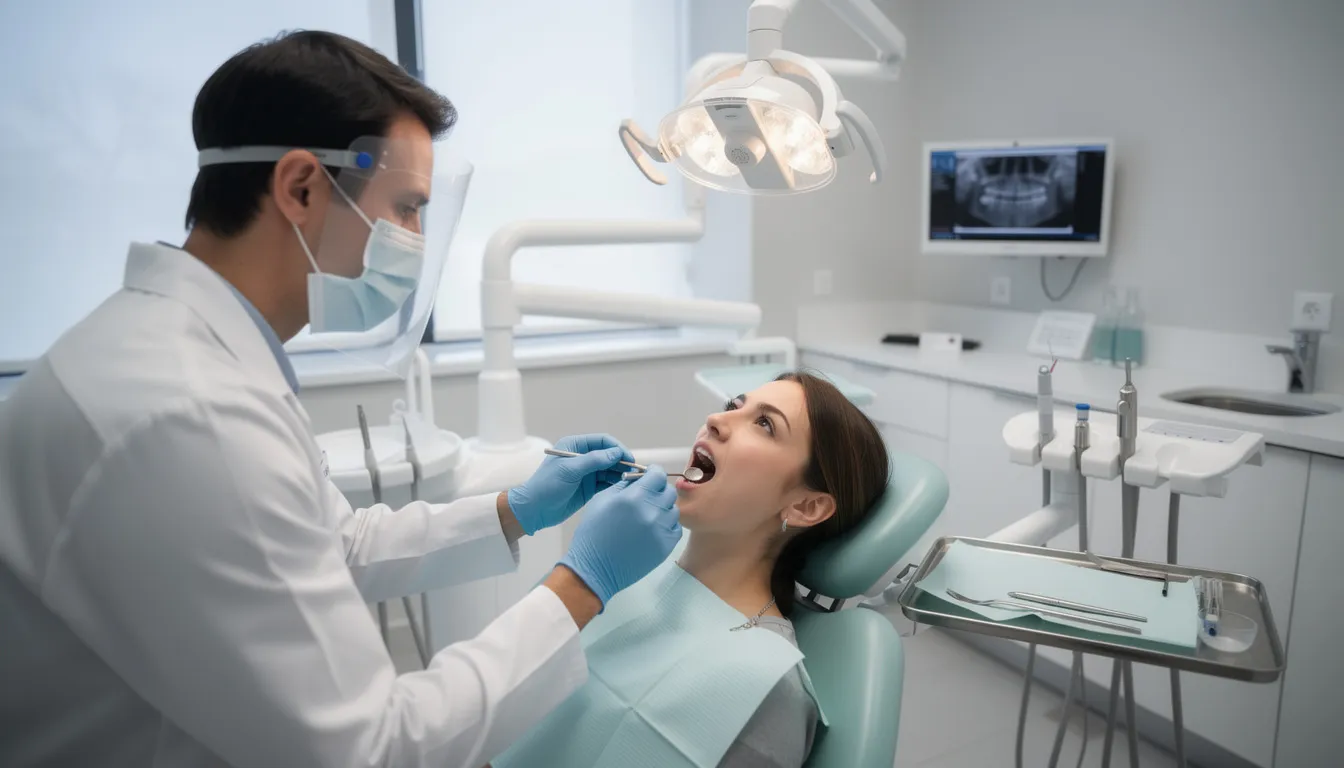
Many patients think of dental visits as simply getting their teeth polished. In reality, a routine cleaning is just one piece of a comprehensive oral health exam. Here’s what typically happens during a six-month visit at Lone Mountain Dental:
Before the cleaning:
Medical history review (new medications, health conditions, or life changes)
Gum measurements to check for periodontal pockets
Visual cavity check on all tooth surfaces
Bite evaluation to identify grinding, clenching, or alignment issues
During the cleaning:
Your dental hygienist removes plaque and tartar from teeth and along the gum line
Teeth are polished to remove surface stains from coffee, wine, or tobacco products
Fluoride may be applied to strengthen enamel against tooth decay
For patients with advanced plaque or tartar buildup, deep cleanings may be recommended. Deep cleanings are more intensive than routine cleanings and are often needed for gum disease or significant plaque accumulation.
The oral cancer screening: Your dentist examines your tongue, cheeks, palate, throat, and jaw/neck areas. They’re looking for lumps, persistent sores, white or red patches, and any suspicious changes. This quick screening can catch early signs of oral cancer when it’s most treatable.
X-rays (when needed): Dental x-rays are taken based on your cavity risk and history. For low-risk adults, bitewing X-rays every 12–24 months are common. These images reveal problems invisible to the naked eye—decay between teeth, infections below the gumline, and issues under old fillings. As of January 5, 2026, dental X-rays should only be ordered when clinically necessary based on a thorough physical exam.
Before you leave: Your visit ends with personalized advice on brushing technique, flossing, and diet (especially regarding sugary drinks and acidic snacks). If any dental treatments are needed, you’ll discuss options and next steps.
The American Dental Association Guidelines
The American Dental Association (ADA) sets the standard for dental care in the United States, recommending that both adults and children schedule regular dental visits to maintain good oral health. For many patients, the ADA suggests dental checkups and cleanings at least twice a year. However, your dentist may recommend a different schedule based on your individual oral health needs and risk factors.
Visiting the dentist regularly is one of the most effective ways to prevent dental problems and catch oral diseases early. The ADA also emphasizes the importance of practicing good oral hygiene habits at home, such as brushing and flossing daily, to support the benefits of professional care. By following these guidelines and working with your dentist to create a personalized dental care plan, you can reduce your risk of tooth decay, gum disease, and other oral health issues. Regular dental visits, combined with healthy habits, are the foundation for a lifetime of strong teeth and healthy gums.
Who Needs to Visit the Dentist More Often Than Every 6 Months?
Some people benefit from more frequent visits—every three to four months—because their risk for dental disease or damage is elevated. This isn’t about doing something wrong; it’s about matching care to your individual circumstances.
High-risk groups that often need frequent dental checkups:
Patients with active gum disease or history of periodontal treatment
Heavy smokers or vapers
People with uncontrolled diabetes
Those with frequent cavities despite good home care
Individuals with dry mouth from medications
People with high-sugar diets or heavy coffee/red wine consumption
Patients with many crowns, bridges, or dental implants
Those undergoing orthodontic treatment (braces or Invisalign)
Individuals with certain medical conditions, such as those undergoing cancer treatment or taking specific medications, may require more frequent dental visits.
Pregnant women may need adjusted dental care schedules due to hormonal changes that can affect oral health and increase the risk of issues like pregnancy gingivitis.
Why orthodontic patients need extra attention: Brackets, wires, and aligners create additional surfaces where plaque can hide. More frequent hygiene visits help keep teeth and gums healthy around appliances and prevent white spots or decay during treatment.
Immunocompromised patients: People undergoing cancer therapy, managing autoimmune diseases, or taking immunosuppressive medications often require closer monitoring. A weakened immune system can allow oral infections to develop rapidly, making frequent visits essential.
Patients who only visit the dentist when experiencing problems often have more severe dental issues than those with regular checkups.
At Lone Mountain Dental, recall frequency is customized based on your exam findings and a conversation about your health and lifestyle. We’ll recommend whether three, four, or six-month intervals make the most sense for you.
How Your Personal Risk Level Influences Visit Frequency
There’s no one-size-fits-all answer to how often you should visit the dentist. A 2004 NIH analysis found that optimal intervals could range from 13 months to as long as 120 months depending on individual disease progression rates. Your risk factors—not a calendar—should drive your dental care plan.
Low-risk patients:
Minimal or no history of cavities
No bleeding gums or gum problems
Non-smokers with good oral hygiene
May be fine with 6–12 month intervals as advised by their dentist
Moderate-risk patients:
Occasional cavities
Some plaque buildup despite regular brushing
Mild gum inflammation (gingivitis)
Typically seen every six months
High-risk patients:
Repeated cavities or dental problems
Existing gum disease or bone loss
Significant tartar buildup
Medical conditions affecting oral health
Usually seen every 3–4 months
Factors to discuss with your dentist:
Diet habits (sodas, energy drinks, frequent snacking)
Grinding or clenching (bruxism)
Current medications that cause dry mouth
Past dental history and treatments
Smoking or tobacco use
Remember that risk can change over time. New medications, pregnancy, increased stress, or quitting smoking can all shift your category. That’s why your visit frequency should be reviewed regularly—what worked last year might not be optimal today.
Special Guidelines for Kids, Teens, and Older Adults
Age and life stage change what “regular” dental care looks like. Different people age into different risk profiles, and families should understand how needs evolve.
Children:
First dental visit should occur by age 1 or within six months of the first tooth erupting
Regular visits every six months to monitor jaw and teeth development
Fluoride treatments and sealants help prevent cavities in newly erupted permanent molars
Early detection of alignment issues can prevent more invasive orthodontic work later
Teens:
Higher risk from sugary drinks, sports injuries, and emerging wisdom teeth
Braces or Invisalign often require more frequent visits to monitor gum health
Important time to establish good oral health habits that last into adulthood
Six-month visits minimum, or more frequent cleanings with orthodontic appliances
Adults (30s–50s):
Busy schedules often lead to skipped appointments—don’t let this happen
Growing risk of gum disease as people age
Critical to protect existing dental work: fillings, crowns, veneers, and bridges
Hormonal changes during pregnancy require extra attention to gum health
Seniors and older adults:
Increased risk of dry mouth from common medications
Higher susceptibility to root decay and oral cancer
Loose or worn dentures need regular evaluation
Gum recession exposes vulnerable root surfaces
At minimum, two visits per year are recommended
Lone Mountain Dental welcomes entire families and can coordinate visits so parents, kids, and grandparents maintain consistent checkup schedules at our Las Vegas locations.

When to See the Dentist Sooner Than Planned
Even if you usually go every six months, certain changes mean you should call sooner rather than waiting for your next visit. Don’t ignore warning signs—dental issues rarely resolve on their own.
Red-flag symptoms requiring prompt attention:
Symptom | What It Could Mean |
|---|---|
Persistent toothache | Cavity, infection, or cracked tooth |
Sensitivity lasting more than a week | Decay, worn enamel, or exposed root |
Chipped or broken teeth | Trauma requiring immediate repair |
Loose filling or crown | Risk of further damage or infection |
Gum symptoms to watch for:
Bleeding when brushing or flossing
Swollen, tender, or receding gums
Bad breath that doesn’t improve with brushing
Pus or discharge around teeth
Changes along your gum line
Jaw and bite issues:
Clicking or locking jaw
Morning headaches (possible grinding)
Bite that suddenly feels “off”
Pain when chewing
Dental emergencies: Trauma from sports injuries, accidents, or falls requires immediate or same-day emergency care. A knocked-out tooth has the best chance of being saved if you see a dentist within 30 minutes.
Lone Mountain Dental offers emergency treatment appointments in Las Vegas and can often see patients the same day for urgent oral health problems.
What Happens If You Skip Dental Visits for Years?
We understand that many patients delay dental care because of fear, cost, or simply having too much on their plate. Life gets busy. But those skipped years can have serious consequences for your oral health.
Common results of long gaps between visits:
Silent gum disease progressing to bone loss
Small cavities growing into large infections requiring root canals
Cracked teeth breaking beyond repair
Old fillings or crowns failing without warning
Future problems that could have been prevented
When dental disease advances unchecked, treatments become more complex. What could have been a simple filling becomes a crown. What could have been a deep cleaning becomes periodontal surgery. What could have been a crown becomes an extraction and dental implant.
The financial reality:
Two professional cleanings and exams per year cost far less than:
Root canal therapy
Tooth extraction
Dental implants
All-on-4 or All-on-6 full-arch restoration
Emergency dental treatments
It’s never too late
If you haven’t seen a dentist in years, know that modern dentistry offers comfortable, judgment-free options to help you catch up:
Sedation dentistry for anxious patients
Staged treatment plans spread over multiple visits
Financing options to make care affordable
Comprehensive exams to prioritize what needs attention first
We encourage anyone who’s been avoiding the dentist to schedule a comprehensive exam and consultation at Lone Mountain Dental. No lectures—just solutions.
How Lone Mountain Dental Personalizes Your Visit Schedule
At Lone Mountain Dental in Las Vegas, we don’t apply a rigid “every six months” rule to everyone. Your mouth is unique, and your dental care plan should reflect that. If you ever experience a dental emergency, it’s important to know where to turn—here’s what to do with a dental emergency in Las Vegas.
Our comprehensive exam process:
Full mouth evaluation of all teeth, gums, and soft tissues
Gum charting to measure pocket depths and identify disease
Digital X-rays with reduced radiation exposure
Review of your medical history, medications, and lifestyle factors
Discussion of any concerns, symptoms, or cosmetic goals
Based on these findings, our team recommends a tailored recall schedule. Some patients do great with annual visits. Others need us every three months. Most fall somewhere in between with routine visits every six months.
Special maintenance for dental investments:
Patients with dental implants, porcelain veneers, or full smile makeovers are placed on customized maintenance plans. These restorations represent a significant investment in your smile—proper care ensures they last for decades.
Making regular care affordable:
We work with most PPO insurance plans and offer flexible in-house financing to make routine dental care and recommended treatments accessible. Our goal is to remove barriers that keep many patients from getting the dental care they need.
Getting Started: Book Your Next Dental Visit in Las Vegas
The best time to get on a healthy dental schedule is now—regardless of when your last visit was. Whether it’s been six months or six years, taking that first step puts you back on track for good oral health.
Ready to schedule?
Call Lone Mountain Dental or book online to arrange:
A comprehensive checkup and cleaning
A free consultation for braces or Invisalign
A free dental implant consultation
Emergency treatment for urgent issues
If you’re unsure how often you should return, simply ask during your appointment. Your dentist will evaluate your oral hygiene, risk factors, and dental history, then give you a specific recommendation—for example, “come back in four months” or “we’ll see you in six.”
New and existing patients can choose whichever location is most convenient. New patients can learn what to expect during their first visit here.
Don’t wait for a toothache to remind you it’s time for a visit. Regular dental checkups protect your teeth, your gums, and your smile for years to come. Schedule your next visit at Lone Mountain Dental today and let us help you maintain the healthy smile you deserve.