

If you’re experiencing tooth pain or have been told you need a tooth pulled, one of the first questions on your mind is likely: how much will this cost? At Lone Mountain Dental, our Las Vegas dentists understand that treatment costs matter, and we believe every patient deserves clear, upfront information before any dental work begins.
The cost of tooth extraction varies based on several factors, including the type of extraction required, the tooth’s location, and whether you have dental insurance coverage. This guide breaks down realistic price ranges for Las Vegas residents, explains what influences those costs, and helps you understand what to expect before, during, and after the procedure.
Tooth Extraction Cost Las Vegas: Overview of Typical Costs
Our Las Vegas dentists are frequently asked, “How much does a tooth extraction cost?” The honest answer is that prices vary depending on which tooth needs removal, how complex the procedure is, and your insurance situation.
For patients paying out of pocket in the Las Vegas area, here are realistic price ranges to expect:
Simple tooth extraction: approximately $130 to $300 per tooth
Surgical extractions (including many wisdom teeth): approximately $250 to $750 per tooth
Complex, fully impacted wisdom teeth: $800 or more per tooth in some cases
These figures represent general estimates for the Las Vegas metro area and reflect what many dental practices in our region charge. An accurate quote at Lone Mountain Dental requires an examination and X-rays so our dentists can assess your specific situation.
Keep in mind that additional fees—such as the exam, imaging, or sedation—can affect your final total. We’ll cover those details in the sections below.
What Is a Tooth Extraction?
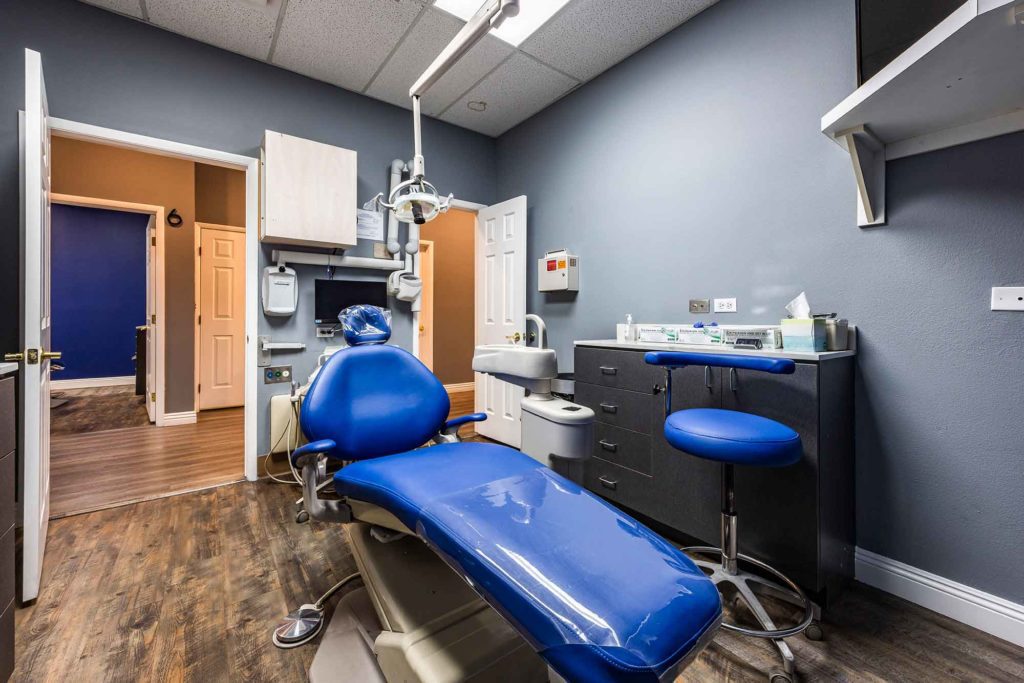
A tooth extraction is the complete removal of a tooth from its socket in the jawbone. This procedure is performed by a general dentist or oral surgeon, depending on the complexity of the case.
Tooth extractions are common dental procedures that our dentists perform in-office here in Las Vegas, often completed in a single visit. We typically recommend extraction when a tooth cannot be predictably saved with treatments such as fillings, crowns, or root canal therapy in Las Vegas. Removing a severely damaged or infected tooth protects surrounding teeth, preserves bone and gum tissue, and often provides significant pain relief.
Types of Tooth Extractions
The type of extraction is one of the biggest factors influencing your final cost. Our dentists classify extractions into two main categories:
Simple extractions: performed on teeth that are fully erupted and visible above the gumline
Surgical extractions: required when a tooth is broken, impacted, or otherwise difficult to access
During your exam, our team reviews X-rays and evaluates your tooth to determine which type of extraction you need. This classification directly affects both the procedure time and the extraction cost.
Simple Tooth Extraction
A simple extraction is performed on teeth that are fully visible above the gum tissue. The dentist loosens the tooth using an instrument called an elevator, then removes it with forceps—no incisions or bone removal required.
Common examples of teeth treated with simple extraction include badly decayed molars, severely damaged premolars or front teeth that remain above the gumline, and teeth removed for orthodontic spacing reasons. For more details about how our team approaches these procedures, you can review our tooth extractions at Lone Mountain Dental information. In Las Vegas, a basic tooth extraction typically costs around $130 to $300 per tooth without insurance at most traditional dental offices.
At our practice, local anesthesia (numbing medication) is almost always included in the base fee for a simple tooth extraction, so you won’t face a surprise charge for getting numb.
Surgical Extraction and Impacted Teeth
A surgical extraction is any extraction requiring a small incision in the gum tissue, removal of surrounding bone, sectioning of the tooth into pieces, or treatment of teeth broken at or below the gumline. These complex tooth extractions take more time and skill than simple removals.
Impacted teeth—especially wisdom teeth—are often fully or partially trapped beneath bone or gum tissue and almost always require surgical extraction. The tooth’s angle, depth, and proximity to nerves all influence the complexity.
For Las Vegas patients without insurance, typical cost ranges include:
Many surgical extractions: approximately $250 to $750 per tooth
Complex surgical extraction of fully impacted wisdom teeth: roughly $400 to $850+ per tooth depending on angle, depth, and anesthesia needed
When a case is particularly complex—such as teeth positioned very close to the inferior alveolar nerve—our dentists may refer patients to a local oral surgeon who specializes in these procedures.
Wisdom Tooth Removal
Wisdom teeth are the last molars to develop, usually erupting between ages 17 and 25. These teeth frequently cause crowding, pain, or infection because most jaws don’t have adequate space to accommodate them.
Not all wisdom teeth removal is complicated. Some wisdom teeth erupt normally and can be treated like a straightforward surgical extraction. Others are deeply impacted or angled in ways that make it harder to remove wisdom teeth safely.
Here are ballpark figures for wisdom tooth and other extractions in Las Vegas (without insurance):
Single erupted wisdom tooth: often $200 to $400
Partially or fully impacted wisdom tooth: often $350 to $850+ per tooth depending on complexity and sedation
Total cost for all four wisdom teeth removed in one visit: commonly $1,000 to $2,500+ when imaging, anesthesia, and follow-up care are included
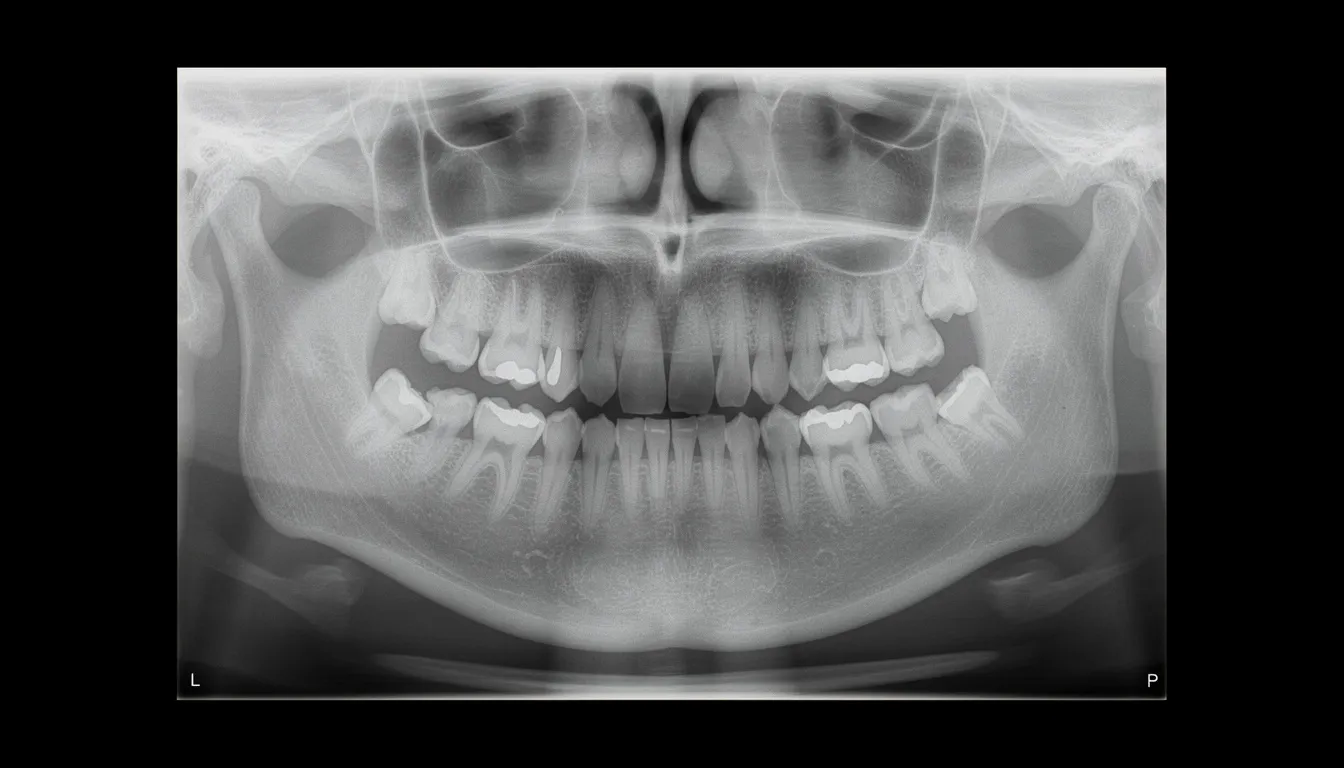
An in-person evaluation is necessary to determine whether a general dentist at Lone Mountain Dental can perform your wisdom tooth extraction or whether referral to an oral surgeon is more appropriate for your situation. A wisdom tooth consultation may include 3D imaging to check the position of incoming wisdom teeth and whether removal is needed; dental X-rays or 3D imaging can add about $150 to $350 to the total cost.
Factors That Influence Tooth Extraction Cost
The price ranges above only tell part of the story, because tooth extraction costs vary based on procedure complexity and the type of anesthesia used. Several clinical and logistical factors affect what you’ll actually pay for tooth removal:
Type of extraction: Simple extractions cost less than surgical ones; erupted teeth cost less than impacted teeth
Tooth location: Molars and lower jaw teeth are often more difficult to access than front teeth or upper teeth
Condition of the tooth: Broken teeth, severe infection, or unusually dense bone increase complexity
Additional procedures: Socket preservation, bone grafting, or bone smoothing add to the total
Anesthesia required: Local anesthesia is typically used. Cases requiring deeper anesthesia may need a specialist referral, which affects the total cost
Provider training: Some cases require a qualified oral surgeon rather than a general dentist, and those fees are often higher
Geographic factors: Dental service fees in Las Vegas reflect local overhead, commercial rents, and market rates
Emergency dental care or same day tooth extractions can also increase fees compared with planned, scheduled tooth extraction procedures, which is why many patients explore flexible dental financing options to better manage unexpected costs.
Tooth Extraction Cost With and Without Insurance
Many patients in Las Vegas use a combination of dental insurance and flexible payment options to manage extraction costs. Understanding how coverage works can help you plan ahead.
How Dental Insurance Plans Cover Extractions
Most dental insurance plans classify medically necessary tooth extractions as either basic or major dental care. Coverage typically works like this:
Many dental insurance plans cover 50% to 80% of the allowed fee after your annual deductible is met, which helps answer common questions like whether plans cover my tooth extraction and whether insurance cover my tooth
Coverage percentages are usually higher when you see an in-network dental care provider that accepts major ppo dental plans
Annual maximums (often $1,000 to $2,000) limit how much your dental plan pays per year
With a typical dental insurance policy, a simple extraction billed at $220 might leave you paying roughly $40 to $110 out of pocket, depending on your plan’s coverage level, your remaining deductible, and what your insurance cover through network discounts. Surgical extractions and wisdom teeth removal generally involve higher copays or coinsurance because of their higher base fees.
What to Expect Without Insurance
Patients without dental coverage pay the full procedure cost, including exam fees, X-rays, and any sedation; uninsured patients should ask whether the office offers an emergency dental coupon for urgent visits before scheduling care, and the basic cost to have a tooth extracted may start within common tooth extraction ranges of about $150 to $300 before added diagnostics or sedation. A single simple extraction may total roughly $150 to $350 including diagnostics. Complex surgical extractions or treatment involving multiple teeth can range from several hundred to a few thousand dollars once all services are included, and patients sometimes compare these fees with the cost of a root canal in Las Vegas when deciding whether a tooth can be saved.
Our office accepts most major dental insurance plans and offers financing options or payment plans to help spread out larger treatment costs when needed, reflecting our broader commitment to affordable, patient-focused dental care.
Other Fees Related to Tooth Extraction
The “per tooth” price doesn’t always include every necessary service. Common additional charges to be aware of include:
Exam fee: New-patient or limited emergency exam
Imaging: Digital X-rays or 3D cone beam CT scans for complex cases
Sedation: Specialist care or deeper anesthesia when needed
Socket preservation: Bone grafting when planning for future dental implants
Prescription medications: Pain relievers or antibiotics after the procedure
These additions affect your total cost:
Diagnostic visit and imaging may add roughly $75 to $250 depending on what’s required
Sedation can add approximately $100 to $400+ depending on type and duration
If you experience dental anxiety, ask in advance whether the practice can offer sedation dentistry and what those charges include, and remember that routine care such as professional teeth cleaning in Las Vegas can help prevent problems that lead to extractions.
At Lone Mountain Dental, our team reviews a written cost estimate before treatment begins so Las Vegas patients understand every expected cost up front—no surprises, even when they require prompt care from our emergency dentist in Las Vegas.
Why You Might Need a Tooth Extraction
Extractions are recommended only when removal is the most predictable way to protect your long-term oral health. Our dentists always evaluate whether alternatives might allow the tooth to be saved before recommending extraction.
Common clinical reasons for tooth extraction include:
Extensive tooth decay that cannot be restored with a filling, root canal, or dental crown, especially when a tooth is severely decayed infected and can no longer be saved
An infected or abscessed tooth that cannot be predictably treated and needs to be removed to prevent the infection from spreading
Teeth with abscessed tooth deep cracks or fractures below the gumline that make the tooth non-restorable
Advanced periodontal (gum) disease with significant bone loss causing loose teeth
Wisdom teeth that may need removal because of pain or impaction
Teeth causing overcrowding or tooth misalignment that interferes with orthodontic treatment
Teeth associated with a large abscessed tooth condition that threatens other teeth or overall health
When medically necessary extractions are the best option, removing the problem tooth can relieve pain, stop infection from spreading, and protect the health of surrounding teeth.
Preparation and What to Expect at the Appointment
Before your extraction, our team completes several preparation steps:
A thorough dental exam and necessary X-rays to evaluate roots, bone, and nearby nerves or sinuses
Review of your medical history, including conditions such as heart disease, diabetes, bleeding disorders, and any medications (especially blood thinners)
Discussion of anesthesia options—local anesthetic alone is sufficient for most patients, though additional sedation may help those with dental anxiety when appropriate
A common concern is whether a tooth extraction painful experience to expect, but once the area is numb, most patients feel pressure rather than sharp pain; in true emergencies, our guidance on emergency tooth extraction in Las Vegas explains what to expect when treatment can’t wait.
Some patients may be advised to take or continue certain medications, or occasionally antibiotics, depending on their health status and the planned procedure.
On the day of your extraction, here’s what typically happens:
Local anesthetic is administered until the area is completely numb
The tooth is loosened and removed with instruments; surgical cases may involve a small incision and sutures
Gauze is placed over the extraction site, and our team reviews post-operative instructions before you leave

How Long Does a Tooth Extraction Take?
The time required depends on the tooth, its condition, and whether the extraction is simple or surgical:
Many single simple extractions can be completed in about 20 to 40 minutes, including numbing time
Surgical or impacted wisdom teeth may take 45 to 90 minutes, especially if multiple teeth are treated in one visit
Plan extra time for check-in, consent forms, imaging (if needed that day), and review of aftercare instructions. Patients are typically able to go home the same day. If deeper anesthesia was used, you’ll need someone to drive you.
Risks, Side Effects, and Recovery After Tooth Extraction
While tooth extraction is generally safe, it is still a surgical procedure with potential risks and a recovery period. Understanding what to expect helps you heal smoothly.
Common Temporary Side Effects
Most patients experience some combination of:
Mild to moderate pain or soreness for a few days
Swelling, especially after wisdom tooth removal
Minor bleeding or oozing for the first 24 hours
Temporary difficulty opening widely or chewing on the affected side
Less Common but Important Risks
Our dentists discuss these as part of informed consent:
Dry socket: Loss of the protective blood clot at the extraction site, causing significant pain (occurs in roughly 3-5% of extractions, higher in smokers)
Infection: Bacterial infection at the extraction site
Injury to adjacent structures: Nearby teeth, fillings, or restorations
Nerve irritation or sinus involvement: Possible with certain upper or lower tooth extractions (rare)
Recovery Timeline
Recovery varies depending on the complexity of your procedure:
Most simple extractions heal enough for normal activities in about 5 to 7 days
More complex surgical or wisdom tooth extractions may require 1 to 2 weeks for the area to feel significantly better
Pain is usually manageable with over-the-counter medications or short-term prescription medications as directed
Tooth Extraction Aftercare Tips
Following these instructions helps protect the blood clot and promotes healing at the extraction site:
Bite gently but firmly on gauze for 30 to 45 minutes to help form a stable blood clot
Apply an ice pack to your cheek for 10 to 20 minutes at a time to reduce swelling
Avoid smoking, vaping, drinking through straws, or vigorous spitting and rinsing for at least 24 hours
Start with soft foods such as yogurt, mashed potatoes, eggs, and smoothies (without a straw), and avoid hard, crunchy, or spicy foods for at least the first 24 hours after extraction
Brush and floss other teeth as usual, but be gentle near the extraction area
Over-the-counter or prescribed pain medication may be recommended as directed.
Contact our office if you experience:
Increasing pain after the third day
Persistent heavy bleeding
Fever, foul taste, or swelling that worsens instead of improving

Planning for Tooth Replacement and Long-Term Costs
Removing a tooth often raises questions about replacement options and what those additional costs might be over time, especially for patients who first saw us through our emergency dentist services in Las Vegas.
Common tooth replacement options include:
Dental implants: Replace a single tooth or multiple teeth with permanent, natural-looking restorations that can last for decades with proper care and help restore function close to natural teeth
Fixed dental bridges: Supported by neighboring teeth to span the gap, connecting artificial teeth to natural teeth on either side
Partial dentures or full dentures: Removable appliances used as false teeth to replace one or multiple teeth
Implant-supported dentures: In some cases, these may use as few as four implants
Leaving some spaces unfilled—especially where molars were removed—can result in missing teeth concerns over time, as gaps may cause neighboring teeth to shift, create bite problems, and increase the risk of gum disease if replacement is delayed. These oral health issues may create additional treatment costs later.
Important cost considerations:
Extractions are usually a one-time cost per tooth
Investment in dental implants, bridges, or partial dentures is separate and should be discussed during treatment planning
Socket preservation or bone grafting at the time of extraction may be recommended if you’re planning implants, adding to the initial extraction cost but potentially reducing future treatment needs
At Lone Mountain Dental, our Las Vegas dentists can discuss tooth replacement options and approximate cost ranges during the same visit where extraction is discussed, helping you plan ahead for your long-term dental health.
Getting a Personalized Tooth Extraction Cost Estimate in Las Vegas
While online ranges—such as $130 to $300 for many simple extractions and $250 to $750+ for surgical extractions in Las Vegas, NV—provide helpful context for managing tooth extraction costs, only an in-person evaluation can provide an accurate quote for your specific situation.
At Lone Mountain Dental, our process ensures you have complete information before any treatment:
Our dentists perform an exam and review X-rays, and urgent cases may begin with an emergency dental exam
We confirm whether your extraction is likely to be simple or surgical
We prepare a written treatment plan outlining all fees, expected dental insurance coverage, and your estimated out-of-pocket costs before treatment begins
Our team can also discuss how different dental savings plans or financing options apply to your situation, making affordable tooth extraction possible even for larger treatment plans.
If you’re in the Las Vegas area and need a tooth extraction—or simply want to understand your options—we invite you to schedule a consultation at our office. Whether you have questions about tooth extractions, a single tooth causing pain, impacted wisdom teeth, or the average cost of treatment with your specific dental coverage, our goal is to provide transparent answers and personalized care. Contact Lone Mountain Dental to receive an accurate estimate and learn about all your options, including whether saving the tooth might still be possible, and to get prompt help if you need emergency dental care or day tooth extractions.