

How much does a root canal cost in Las Vegas? Expect to pay between $600 and $1,280. Factors like the dentist’s expertise and the complexity of the procedure influence the price. This article covers everything you need to know, from costs to treatment details.
How Much Is a Root Canal in Las Vegas: Key Takeaways
Root canal costs in Las Vegas range from $600 to $1,280, influenced by factors like tooth position and treatment complexity, with insurance covering 50% to 80% of expenses.
Timely root canal treatment is crucial to prevent severe health issues and can save costs by avoiding more complex procedures later.
Understanding insurance and financing options is essential, as they can significantly reduce out-of-pocket expenses and make dental care more affordable.
Understanding Root Canal Costs in Las Vegas
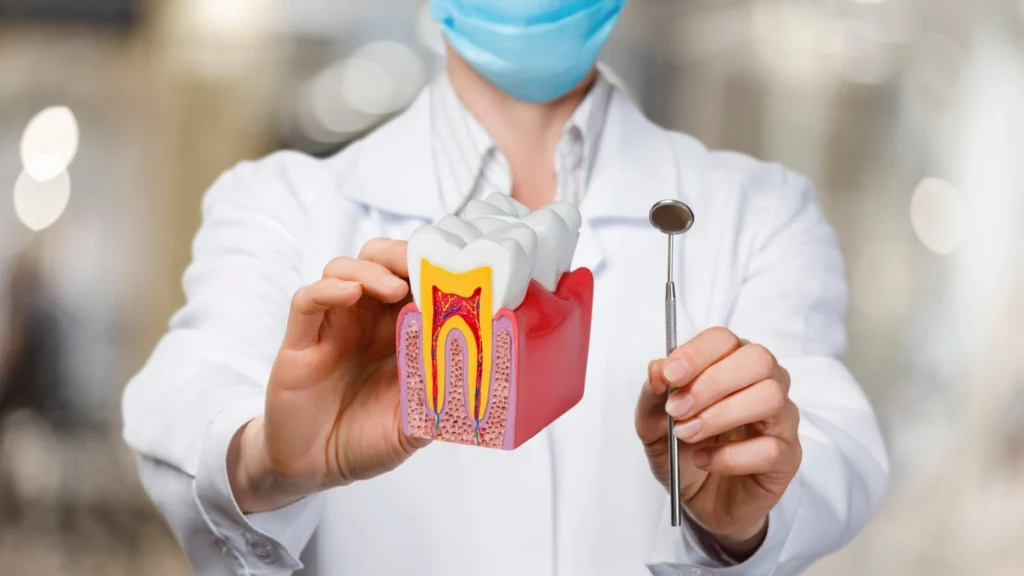
If you’re wondering how much is a root canal in Las Vegas, most treatments cost about $600 to $1,280, and dental insurance often covers 50% to 80% after your deductible. For adults and families in Las Vegas comparing dental care costs, the final price can vary based on your insurance plan, the specific tooth that needs treatment, and the severity of the infection.
Knowing these costs early helps you plan for treatment, compare insurance or financing options, and avoid delaying care that could lead to worse pain, infection, or tooth loss. This guide explains what affects root canal pricing in Las Vegas, what to expect during the procedure, signs you may need one, and why timely treatment can help save your natural tooth.
Average Cost Range
Generally, the cost of root canal treatments in Las Vegas ranges from $600 to $1,280. This variation depends on factors like the dentist’s experience and the complexity of the procedure. Dental insurance typically covers between 50% to 80% of the root canal cost after the deductible is met, significantly reducing out-of-pocket expenses.
Compared to tooth extraction and replacement, root canal treatment is often more cost-effective.
Factors Affecting Cost
Several factors influence the cost of a root canal. The complexity of the procedure, the position of the affected tooth, and whether additional treatments like a dental crown are necessary all play a role, and a crown after the procedure typically costs about $800 to $2,500. Treating front teeth usually costs less than molar root canals because of their simpler anatomy.
However, molars often require more complex treatment because back molar procedures are more difficult and may involve multiple roots, sometimes necessitating a referral to an endodontic specialist, which can increase costs.
Why Timely Root Canal Treatment is Crucial
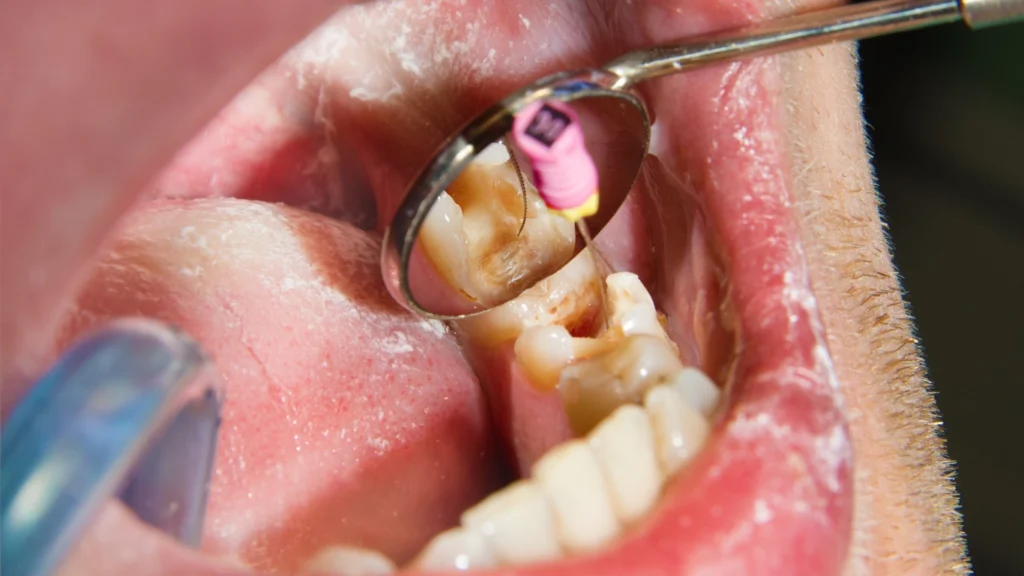
Timely root canal treatment is not only vital for saving the affected tooth but also for preserving your natural tooth and maintaining your overall oral health. Delaying treatment can lead to tooth loss and severe health issues, including infections that spread to surrounding teeth and other areas of the body, potentially impacting your blood vessels and your entire body.
Timely intervention can also avert the need for more complex and costly procedures later on.
Risks of Delaying Treatment
Postponing treatment can worsen your condition, causing symptoms such as persistent toothache, sensitivity to temperature, and facial swelling. Untreated infections can spread, leading to the loss of a natural tooth and difficulties with chewing and speaking.
Dental infections left untreated can impact your overall health, underscoring the importance of timely treatment in a dental emergency and maintaining good dental health. It is essential to practice good oral hygiene.
Benefits of Early Intervention
Early treatment can save costs and lead to better oral health outcomes, including the preservation of your natural tooth. Early action can prevent extensive damage and the need for complex, costly procedures.
Properly maintained, a tooth root that has undergone root canal therapy can remain strong and functional for a lifetime.
Insurance and Financing Options for Root Canals

Navigating the financial aspects of root canal treatment can be daunting, but understanding your insurance and financing options can make the process more manageable. Dental insurance can significantly reduce the overall cost, while various financing plans can help spread out payments, making the treatment more affordable.
Dental Insurance Coverage
Insurance can significantly reduce the costs of root canal treatments. Plans usually cover a large portion of the expenses, relieving patients of hefty bills.
At Lone Mountain Dental, clear communication about costs helps patients understand their financial obligations upfront.
Financing Plans
Dental care providers often offer flexible financing plans to help manage root canal treatment costs. These options frequently include low or no interest, enabling installment payments through manageable monthly payments. Additionally, choosing an in-network dentist can lead to significant savings due to pre-negotiated discounts, and understanding your dental benefits can further enhance these savings.
Some practices also use third-party financing companies to help patients cover root canal costs, making care more affordable.
What to Expect During a Root Canal Procedure
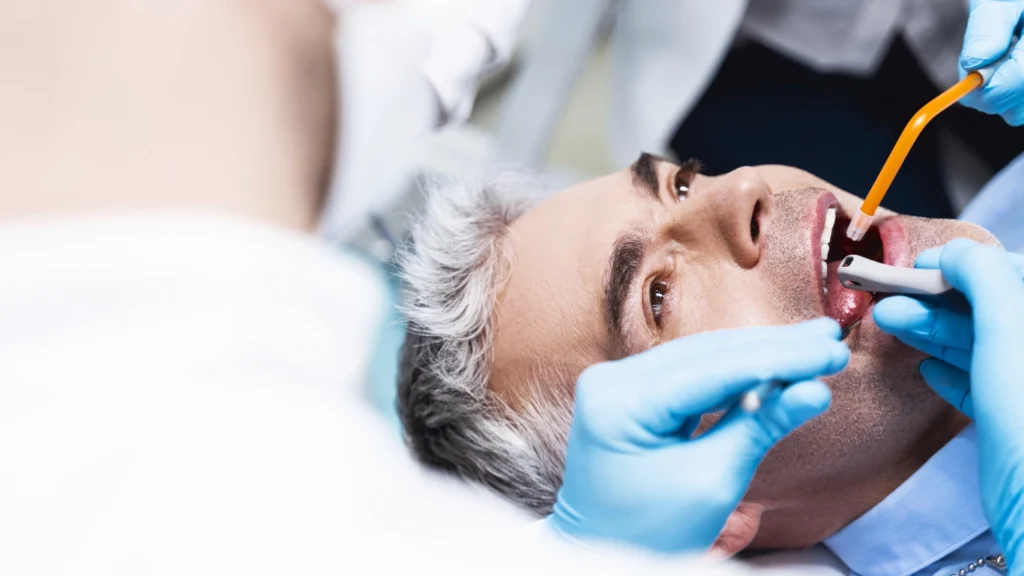
Knowing the details of a dental procedure, specifically a root canal procedure, can reduce much of the associated dental anxiety. Lone Mountain Dental provides comprehensive services, meeting all your needs in one place.
The use of advanced technology further enhances the precision and comfort of the treatment.
Initial Consultation
The initial appointment is a root canal consultation that includes a symptom assessment and possibly X-rays to evaluate the affected tooth. The dentist reviews your dental history and discusses your discomfort to tailor the consultation.
This thorough evaluation aids in planning the treatment and addressing your concerns.
The Treatment Process
The root canal procedure typically lasts between 30 to 90 minutes, depending on the complexity of the case. Some treatments can be completed in a single visit. The procedure involves cleaning the canals; root canal therapy removes infected pulp and seals the canal to help prevent further infection.
Contrary to common fears, most patients report pain similar to that of a large filling.
Post-Treatment Care
Following your dentist’s post-treatment care instructions ensures a smooth recovery after a root canal. This usually involves completing any prescribed antibiotics and avoiding hard or sticky foods until a crown is placed.
Mild to moderate discomfort is normal and manageable with pain medication for short-term relief after treatment. Persistent significant discomfort may require a follow-up appointment. During root canal recovery, call the dental office right away if you develop severe pain.
Advantages of Choosing Lone Mountain Dental
Selecting the right dental clinic for root canal treatment greatly impacts your experience and outcomes.
Lone Mountain Dental is renowned for exceptional patient care and a comprehensive range of services.
Expert Care Under One Roof
Patients at Lone Mountain Dental receive all their dental care in one place, eliminating the need for referrals. The dental office uses the latest technology for precise, gentle care, and when specialist treatment is needed, a trained and qualified endodontist helps support quality dental care and treatment effectiveness.
This approach provides a seamless and comfortable patient experience.
Patient-Centered Approach
Lone Mountain Dental prioritizes patient comfort and care throughout the root canal treatment process. The procedure uses local anesthesia, with sedation options to minimize discomfort.
The clinic’s focus on creating a comfortable and supportive environment helps patients who experience dental anxiety feel more at ease during their visits.
Affordable and Transparent Pricing
Transparency in pricing is a key commitment at Lone Mountain Dental. The clinic ensures that patients understand the costs involved in their treatment through a clear pricing structure. This approach provides peace of mind and makes it easier for patients to access the necessary dental care.
Signs You May Need a Root Canal
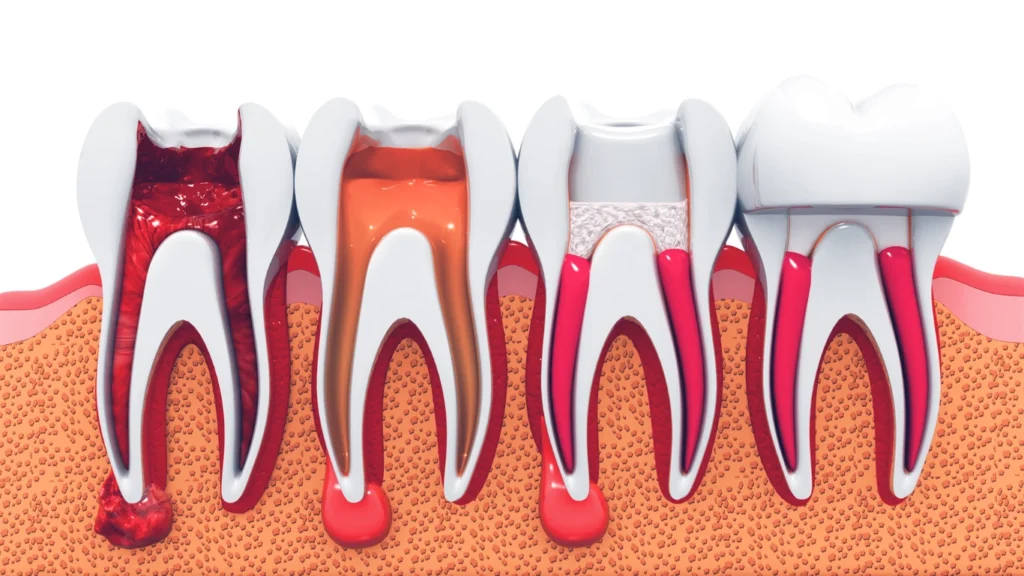
Identifying signs that suggest a root canal need helps you seek timely treatment and avoid complications. Common symptoms include severe tooth pain, sensitivity to hot and cold, swelling around the gums, and tooth discoloration.
Persistent Tooth Pain
A severe, unresolved throbbing toothache or dental pain often indicates an infected tooth. Persistent tooth pain may signal that deep decay or infection has reached the tooth nerve and requires prompt attention. Untreated, this can lead to severe health issues, such as tooth loss and further infections. Prompt treatment can relieve the infection before it worsens.
Severe tooth pain often comes with symptoms like gum swelling and sensitivity to temperature changes.
Sensitivity to Hot and Cold Temperatures
Sensitivity to temperature changes often signifies pulp inflammation or irritation. Discomfort when biting, difficulty chewing, or consuming hot or cold foods could indicate the need for a root canal.
Recognizing these symptoms early can lead to timely dental interventions and prevent further complications.
Swelling and Discoloration
Gum swelling is a major sign of a possible infection. Tooth discoloration can signal a compromised nerve and blood supply; a severe infection can also cause facial pain and may require urgent treatment to prevent complications. Swelling or pus drainage may indicate an abscess, requiring prompt dental attention, and teeth with severe infections may need additional visits, which can increase overall costs.
Summary
In conclusion, understanding the costs associated with root canal treatments in Las Vegas, the importance of timely intervention, and what to expect during the procedure can significantly improve your dental health experience. Choosing a reputable dental clinic like Lone Mountain Dental ensures expert care, a patient-centered approach, and transparent pricing. Recognizing the signs that you may need a root canal and seeking prompt treatment can save your tooth and prevent further complications.