

Need to know what qualifies as a dental emergency? Severe pain, excessive bleeding, and knocked-out teeth demand immediate care. This guide will help you identify these urgent situations and explain what steps to take.
Key Takeaways
- Dental emergencies include severe bleeding, intense tooth pain, and facial injuries, requiring immediate care.
- Common dental emergencies such as knocked-out teeth and dental abscesses necessitate prompt action to prevent further complications.
- Timely treatment for dental issues is essential to prevent serious health complications and alleviate pain effectively.
Recognizing a Dental Emergency
Identifying what qualifies as a dental emergency is vital for timely and appropriate care. Emergencies usually involve:
- Uncontrolled bleeding
- Severe tooth pain
- Facial bone injuries Severe pain, broken teeth, and uncontrolled bleeding are clear indicators for immediate attention. Early recognition of these signs can significantly impact your dental health.
Seek immediate care if you experience severe pain, swelling, or bleeding gums. Persistent bleeding from the mouth or swelling around the gums indicates a need for emergency dental care. Recognizing these signs allows you to act promptly and avoid further complications.
Common Types of Dental Emergencies
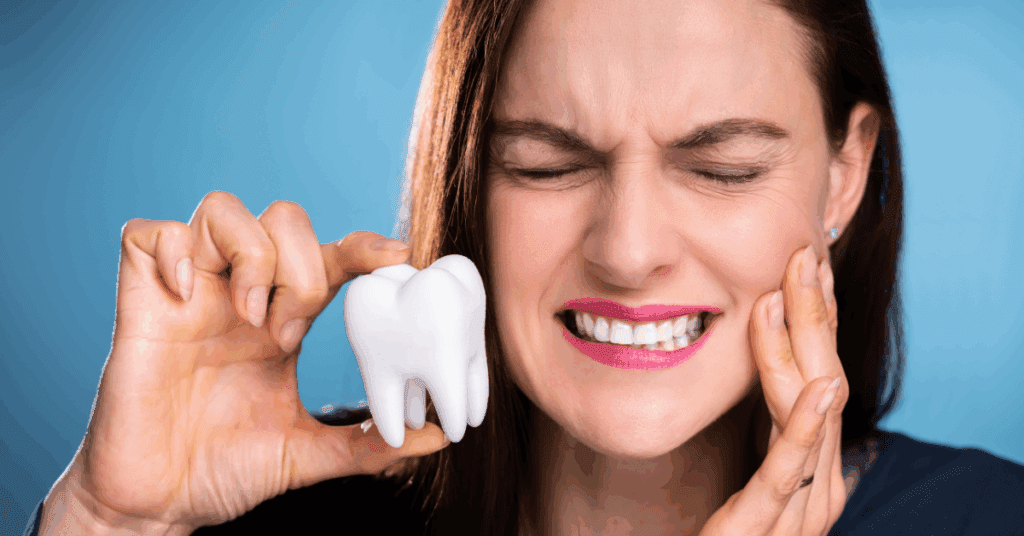
Dental emergencies manifest in various forms, each needing specific attention and care. Understanding common dental emergencies like:
- Severe tooth pain
- Knocked-out teeth
- Chipped or cracked teeth
- Dental abscesses
- Severe bleeding is crucial.
Prompt recognition and addressing of these emergencies can significantly improve your dental health and overall well-being. If you experience any issues, it is important to seek treatment from a healthcare provider as soon as possible. Emergency care is essential in these situations.
Severe Tooth Pain
Severe tooth pain can be distressing, often indicating serious conditions like abscesses or irreversible pulpitis. If you experience intense dental pain, act quickly to alleviate severe pain:
- Rinse your mouth with warm water.
- Use dental floss to remove debris.
- Apply a cold compress to reduce swelling.
- Take over-the-counter pain relievers like acetaminophen, naproxen, or ibuprofen for temporary relief.
However, these steps are temporary solutions. Severe tooth pain usually indicates a significant underlying issue needing professional care. Contact your dentist promptly to address the tooth root cause and prevent further complications.
Knocked-Out Tooth
A knocked-out tooth is a highly urgent dental emergency. The chances of saving the tooth are highest if reinserted within an hour. Hold a knocked-out tooth by the crown and avoid touching the root to prevent damage. Rinse it gently with water without scrubbing or removing any attached tissue.
If reinsertion isn’t possible, keep the tooth moist by placing it in a container of milk or saline solution. Quick and correct actions are vital for a successful recovery.
Chipped or Cracked Teeth
Chipped or cracked teeth can range from minor cosmetic issues to severe dental emergencies. A painless chipped tooth is usually not an emergency, but pain from a cracked tooth requires immediate attention. Chipped teeth may also lead to further complications if not addressed.
For serious fractures causing pain, contact your dentist immediately. Treatment may involve an X-ray, root canal therapy, or crown. Save and rinse any broken pieces, and rinse your mouth with warm water to clean the area.
Dental Abscess
A dental abscess is a severe dental infection that creates a pus pocket inside the tooth. Symptoms include:
- Tooth sensitivity
- High fever
- Tender lymph nodes
- Toothache
- Swollen face
- Gum bumps
A fever alongside a toothache could indicate a potentially life threatening serious infection related to tooth decay.
A dental abscess can damage tissue and surrounding teeth, potentially leading to facial swelling or the spread of infection. Delaying treatment can result in severe complications, so visit your dentist promptly.
Severe Bleeding
Continuous bleeding in the mouth, especially after trauma, is a dental emergency. Apply pressure to the bleeding site using gauze and seek immediate dental care to prevent further complications.
Immediate Actions for Dental Emergencies
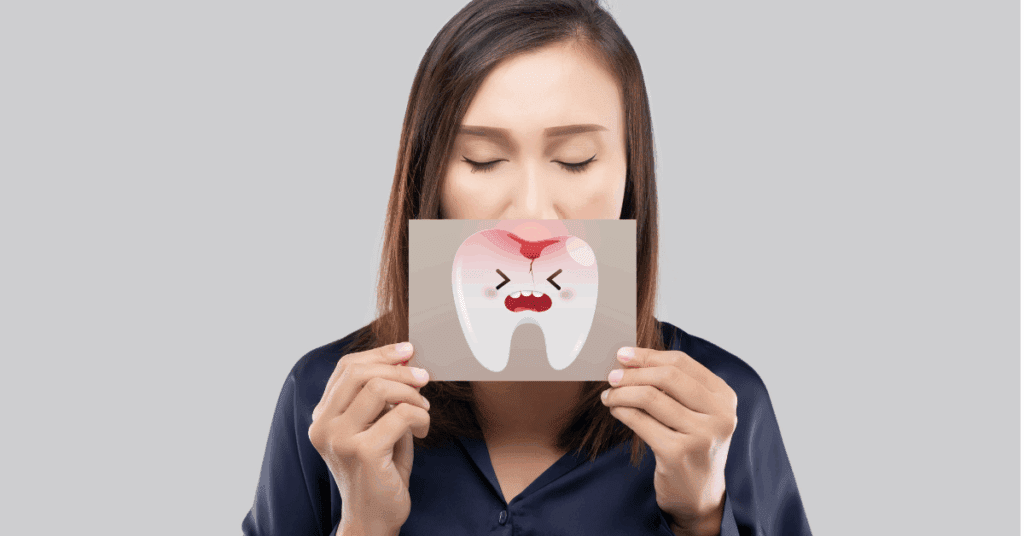
Quick action during a dental emergency can significantly affect the outcome. If severe pain or bleeding persists despite medication, seek professional care immediately. For toothaches, rinsing with warm salt water can help alleviate pain while awaiting dental treatment.
If a tooth is knocked out, rinse it gently with water and try to place it back into the tooth socket. If reinsertion is not possible, keep it moist in milk or saline until you can see a dentist. For chipped or broken teeth, rinse your mouth with warm water and apply gauze to any bleeding areas while contacting your dentist.
In case of a lost filling or crown, place it back over the tooth if possible and seek dental assistance promptly. For soft tissues injuries in the mouth, rinse with warm water, apply pressure to control bleeding, and use a cold compress for swelling.
When to Visit the ER vs. Emergency Dentist
Understanding when to visit the emergency room versus seeing an emergency dentist can save valuable time and ensure proper care:
- For serious dental injuries like broken facial bones, the hospital emergency room is the appropriate place for treatment.
- In a dental emergency, seek immediate help.
- If you don’t have a dentist, visit the nearest urgent care center or emergency room.
The emergency room can provide medications for pain and swelling but does not perform dental repairs. If you experience severe tooth pain and the dental offices are closed, visiting the emergency room is advisable. For other dental issues, seeing an emergency dentist is the best course of action.
Preventing Dental Emergencies

Preventing dental emergencies begins with good oral hygiene. Regular brushing and flossing are crucial for maintaining dental health and reducing the risk of emergencies. A balanced diet also contributes to better oral health and minimizes emergency risks.
Using mouthguards during contact sports activities can prevent injuries to teeth. Additionally, dental sealants provide extra protection against cavities and potential emergencies. Limiting the intake of hard and sticky foods can also help prevent dental injuries and mouth injuries.
Importance of Timely Treatment
Timely treatment for dental emergencies is crucial to prevent life-threatening conditions or serious health complications. Delaying treatment can worsen the dental problem and require more difficult treatment later. For example, neglecting a severe toothache can lead to more severe issues, such as an infection or abscess.
Immediate dental care for conditions like a dental abscess prevents broader health issues from untreated infections. Addressing dental issues early minimizes the risk of emergencies and ensures immediate treatment is received.
Summary
Recognizing and promptly addressing dental emergencies can significantly impact your oral health and overall well-being. From severe tooth pain to knocked-out teeth and dental abscesses, understanding the signs and taking immediate action is crucial. Preventing dental emergencies through good oral hygiene and timely dental visits can save you from potential pain and complications.
Stay proactive about your dental health, and don’t hesitate to seek immediate care when necessary. Your quick actions today can prevent severe issues tomorrow.