

Wondering how long do veneers last? Typically, porcelain veneers last 10-15 years, while composite resin veneers last 4-8 years. This article explains what affects their lifespan and offers tips for care.
Key Takeaways
Dental veneers, available in porcelain and composite resin, enhance smiles by covering cosmetic flaws but have varying lifespans and maintenance needs.
Porcelain veneers last 10 to 15 years and require less upkeep, while composite resin veneers typically last 4 to 8 years and are more prone to chipping and staining.
The lifespan of veneers is influenced by oral hygiene, diet choices, and harmful habits; proper care and regular dental check-ups are essential for longevity.
Understanding Dental Veneers

Dental veneers are custom-made shells designed to cover the front surface of teeth, improving their appearance and correcting cosmetic flaws like misshapen teeth or discoloration. They are a popular choice for those looking to enhance their smile without undergoing extensive dental procedures. Veneers can address a variety of cosmetic concerns, including broken or chipped teeth, gaps, and significant discoloration.
Dentistry encompasses a wide range of cosmetic and restorative treatments, with veneers being a leading option for those seeking smile enhancement through professional dental services. As part of modern dentistry, veneers play a key role in transforming smiles and maintaining dental health.
The materials used for veneers include porcelain and composite resin, each serving different aesthetic and functional purposes. Porcelain veneers are known for their durability and ability to mimic the translucency of natural teeth. They are more stain-resistant and generally require less maintenance. On the other hand, composite resin veneers can be applied in a single visit and are a more affordable option.
Choosing between porcelain and composite resin veneers depends on various factors, including budget, desired appearance, and how long you want the veneers to last. Consulting with a cosmetic dentist can help you determine the best option for your needs. Whichever material you choose, veneers offer a long-lasting solution to achieve a beautiful, natural-looking smile.
Types of Veneers
Dental veneers come in several types, each offering unique benefits for patients seeking to enhance their smile. The most popular option is porcelain veneers, which are prized for their natural appearance and exceptional durability. Porcelain veneers generally last between 15 and 25 years, making them a long-term solution for cosmetic dental concerns. They are also highly stain resistant, helping maintain a bright, shiny smile over time.
Composite veneers and composite resin veneers are another option, crafted from tooth-colored composite resin. These veneers are a more affordable option and can be applied more quickly, often in a single visit. While composite veneers typically last 5 to 12 years, they may be more prone to staining and chipping compared to porcelain. However, their cost-effectiveness and ease of repair make them an attractive choice for many patients.
When choosing between porcelain and composite veneers, it’s important to consider your cosmetic goals, budget, and how long you want your veneers to last. Porcelain is generally more durable and offers superior stain resistance, while composite resin provides a more affordable treatment option with a natural look. Understanding the differences between these types of veneers can help you and your dentist select the best solution for your needs.
Veneer Placement
The process of veneer placement is a carefully planned journey that ensures both a beautiful result and the health of your natural teeth. It begins with a consultation with a cosmetic dentist, where you’ll discuss your cosmetic concerns and desired outcome. The dentist will evaluate your teeth and recommend the most suitable treatment plan.
Once you decide to proceed, the dentist prepares the front surface of your teeth by removing a thin layer of enamel. This step is essential for creating space for the veneers and achieving a natural appearance. Temporary veneers are often placed at this stage to protect your teeth and give you a preview of your new smile while your custom veneers are being crafted.
When your permanent veneers are ready, the dentist will carefully bond them to your teeth using a strong adhesive. This final step in the veneer placement process ensures a secure fit and a seamless, natural look. Proper placement by an experienced cosmetic dentist is key to the longevity and success of your veneers, allowing you to enjoy a confident, radiant smile.
Average Lifespan of Veneers
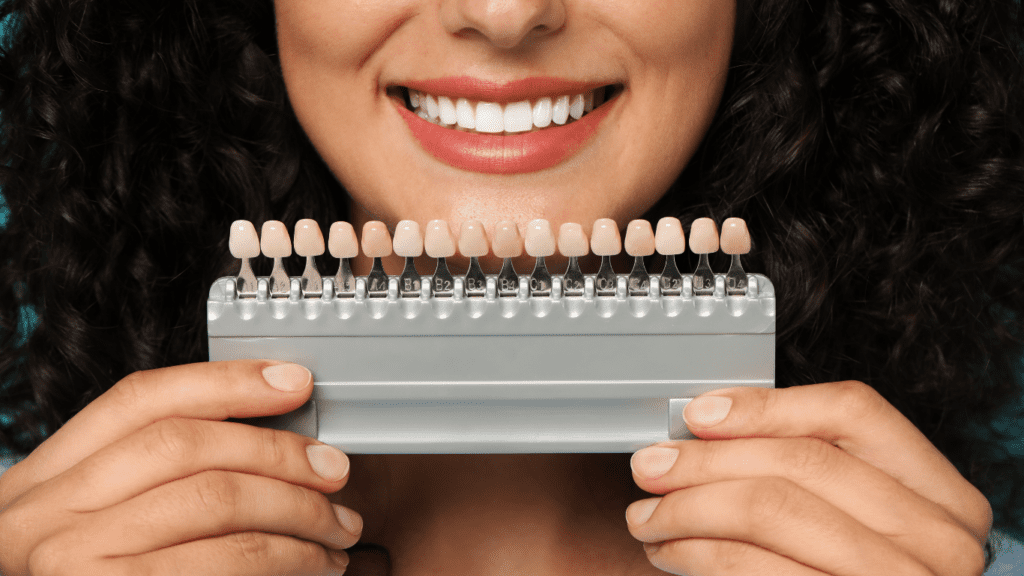
Dental veneers usually last between 10 and 15 years. Their average lifespan falls within this range. However, how long do veneers last can vary significantly based on the material used and how well they are cared for. Regular dental hygiene practices can help prolong the lifespan of veneers. Additionally, avoiding harmful habits such as nail-biting is important.
For a more detailed understanding, let’s look at the longevity of porcelain veneers and composite resin veneers separately.
Porcelain Veneers Longevity
Porcelain veneers generally are well-known for:
Their durability
A natural appearance that many people appreciate
Typically lasting between 10 to 15 years, making them a long-term investment for enhancing your smile
Resilience to stains
Natural translucency, which makes them highly popular
Veneer durability
Despite their durability, porcelain veneers still need proper care to maintain their appearance and longevity. Regular brushing, flossing, and professional dental check-ups are key to ensuring these veneers last.
Composite Resin Veneers Durability
Composite resin veneers, although a more affordable option, typically have a shorter lifespan of around 4 to 8 years. These veneers are made from a resin material that allows for a customizable aesthetic, but they tend to chip more easily and stain quickly compared to porcelain veneers. If you’re wondering how long do veneers last, it’s important to consider these factors.
Although composite veneers may need more frequent replacement, they remain a viable, cost-effective option. Frequent maintenance and avoiding damaging foods and habits are crucial for extending their lifespan.
Factors Affecting Veneer Lifespan
Several factors can influence how long veneers last, including the quality of the veneer material and the oral hygiene habits of the wearer. While high-quality materials can provide a longer-lasting result, maintaining good oral hygiene and avoiding harmful habits are equally important.
Several specific factors influence veneer lifespan, which we’ll explore further.
Oral Hygiene and Veneer Maintenance
Good oral hygiene is crucial for the longevity of dental veneers. Key practices include:
Brushing and flossing regularly to help prevent gum disease and other issues that could compromise the veneers.
Noting that composite veneers may require more frequent maintenance due to their susceptibility to wear.
High-quality veneers often require less maintenance, making them a convenient, long-lasting solution. Regardless of the material, regular dental visits and proper care are essential to ensure veneers last.
Diet and Lifestyle Choices
Diet and lifestyle choices greatly impact the longevity of dental veneers. Consuming hard foods like ice and nuts increases the risk of chipping or cracking veneers. Similarly, consuming staining foods and beverages like coffee and red wine can affect the appearance and longevity of veneers, especially if you enjoy chips.
Conscious dietary choices and avoiding damaging habits help maintain the integrity and appearance of your gums and veneers, keeping your shiny smile beautiful for years to come and promoting healthy teeth while wearing a confident smile.
Teeth Grinding and Other Habits
Teeth grinding, or bruxism, can significantly wear down and damage veneers, shortening their lifespan. To avoid grinding, using a nightguard can help protect tooth veneers from the effects of grinding during sleep.
Habits like nail-biting and using your teeth to open packages can also damage veneers. Avoid biting these actions and using protective gear can help extend the lifespan of your veneers, keeping your smile at its best. Additionally, be mindful of your nails to prevent further damage.
Cost and Insurance Considerations
The cost of veneers can vary widely, influenced by several factors such as the type of veneer chosen, the number of teeth being treated, and the location of your dental practice. Porcelain veneers are generally more expensive, with prices ranging from $500 to $2,500 per tooth, reflecting their durability and natural appearance. Composite veneers, on the other hand, are a more affordable option, typically costing between $200 and $1,500 per tooth.
Because veneers are considered a cosmetic procedure, most dental insurance plans offer limited or no coverage. However, if veneers are deemed medically necessary—such as to restore a damaged tooth—some insurance plans may cover part of the cost. It’s important for patients to discuss payment options and potential financing plans with their dentist, as well as to consult their insurance provider to understand what is covered. By exploring all available options, patients can make informed decisions about their cosmetic dental treatment.
Signs That Your Veneers Need Replacement
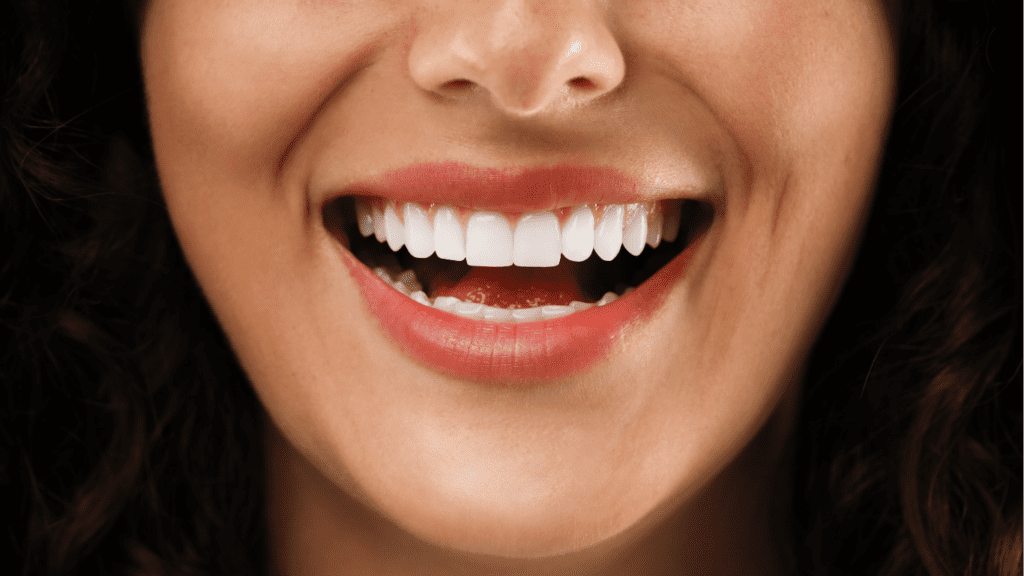
Common signs that veneers may need replacement include:
Chipping
Cracks
Discoloration
Rough or sharp edges If you notice any of these signs, it may be time to consider getting your veneers replaced to ensure comfort and aesthetics.
Over time, most patients will need to replace their veneers as they wear down. Regular visits for dental check-ups can catch these patient issues early, allowing for timely replacement and continued oral health, as well as other dental procedures.
The Process of Replacing Veneers

Replacing veneers involves multiple steps to ensure a proper fit and lasting result. The process includes:
Removing the old bonding agent
Creating a mold of the teeth, which is crucial for making custom veneers that match the patient’s natural teeth and smile
Providing local anesthesia for extra comfort during the procedure
After the new veneers are created, they are bonded to the teeth, completing the veneer placement process. Patients might feel some sensitivity after less enamel removal, but this typically subsides quickly. A skilled cosmetic dentist is crucial for successfully applying porcelain veneers, ensuring a proper fit and long-lasting result.
Aftercare and Follow-Up
Maintaining your veneers requires a commitment to good oral hygiene and regular dental visits. Brushing and flossing daily helps protect both your veneers and your natural teeth, while also keeping your gums healthy. It’s important to avoid hard or crunchy foods that could chip or crack your veneers, such as ice or hard candies.
Regular check-ups with your dentist are essential for monitoring the condition of your veneers and the health of your gums and teeth. During these visits, your dentist can make any necessary adjustments and provide professional cleaning to keep your smile looking its best. Patients should also avoid grinding their teeth and biting their nails, as these habits can lead to chips or cracks in the veneers.
By following these aftercare tips and maintaining consistent brushing and flossing, patients can extend the lifespan of their veneers and enjoy a beautiful, natural-looking smile for years to come. Early detection of any issues during follow-up appointments can help prevent more extensive repairs down the road.
Common Mistakes to Avoid
To ensure your veneers last as long as possible, it’s important to avoid some common mistakes that can compromise their appearance and durability. One of the biggest culprits is consuming foods and drinks that can stain your veneers, such as red wine, coffee, or tea. While porcelain veneers are more stain resistant, composite veneers can discolor more easily, so it’s wise to limit these beverages.
Another mistake is biting or chewing on hard objects like ice, hard candy, or even using your teeth to open packages. These actions can cause chips, cracks, or other damage to your veneers. Grinding your teeth, whether during the day or at night, can also lead to excessive wear and shorten the lifespan of your veneers. Using a nightguard can help protect your smile if you have a habit of grinding.
Maintaining good oral hygiene and scheduling regular dental visits are essential for preventing issues like gum disease, decay, and discoloration. By avoiding these common pitfalls and taking proactive care of your veneers, you can enjoy a healthy, radiant smile for many years.
Benefits of Choosing High-Quality Veneers

High-quality veneers provide numerous advantages, including:
Enhanced aesthetics
Longevity
Seamless blending with natural teeth
Greater stain resistance compared to lower-quality options.
Typically, high-quality veneers have a longer lifespan, making them a better long-term investment. They enhance the appearance of your smile and offer a durable solution to cosmetic concerns with veneers permanent.
Ready to Transform Your Smile? Get Veneers in Las Vegas
Considering dental veneers in Las Vegas is a significant step towards transforming your smile. Contact Lone Mountain Dental for a consultation to learn about their expertise in veneer treatments. Their commitment to comfort and satisfaction ensures a positive experience throughout your veneer journey.
Conveniently located in Las Vegas, Lone Mountain Dental is accessible for all your veneer treatment needs. Whether you need new veneers or replacements, their skilled team is ready to help you achieve a smile you’ll love.
Summary
In summary, dental veneers offer a durable and aesthetically pleasing solution for various cosmetic dental issues. The lifespan of veneers depends on factors like material quality, oral hygiene, and lifestyle choices. Regular dental visits and proper maintenance can extend the life of your veneers, ensuring your smile remains beautiful for years to come.
If you’re ready to enhance your smile, consider getting veneers at Lone Mountain Dental in Las Vegas. Their expertise and commitment to patient satisfaction make them an excellent choice for your veneer needs. Transform your smile and boost your confidence today.